What Is Gum Disease?
Gingivitis vs. periodontitis – what’s the difference, and why it matters for your smile and your health.

The term “gum disease” is an umbrella term for unhealthy gums, covering both gingivitis and periodontal disease (periodontitis). Understanding the difference can save your smile – and protect your overall body health.
Gingivitis: The Early Warning Sign
Gingivitis is the earliest stage of gum disease. It’s caused by plaque – a soft film of bacteria – building up on your teeth. When plaque isn’t brushed away, it irritates the gum tissue, and the body sends blood cells to the area to fight the infection.
- What it looks like: Red, puffy, or swollen gums that bleed easily when you brush or floss. You might also notice persistent bad breath.
- The damage done: None yet. At this stage, inflammation is only in the gums – the bone holding your teeth in place is completely intact.
- The good news: Gingivitis is 100% reversible. Because no permanent damage has occurred, a thorough professional cleaning plus excellent brushing and flossing at home can completely cure it.
Periodontal Disease: The Point of No Return
If gingivitis is ignored, it can advance into periodontal disease (periodontitis) – a severe, chronic infection that spreads below the gumline. As bacteria burrow deeper, the immune system’s ongoing fight against them releases toxins that damage the very bone holding teeth into the jaw.
- What it looks like: Gums that separate from the teeth and loss of the jawbone that holds teeth in place, creating deep pockets between teeth and gums, along with pus, painful chewing, and shifting or loose teeth.
- The damage done: Permanent. This infection attacks the bone and ligaments that lock teeth into the jaw – once that bone dissolves, it never grows back.
- The reality: Periodontal disease can’t be reversed, only managed. Dentists and hygienists use deep cleanings to halt the infection, followed by periodontal maintenance visits every three to four months to manage bacteria, inflammation, and bone levels.
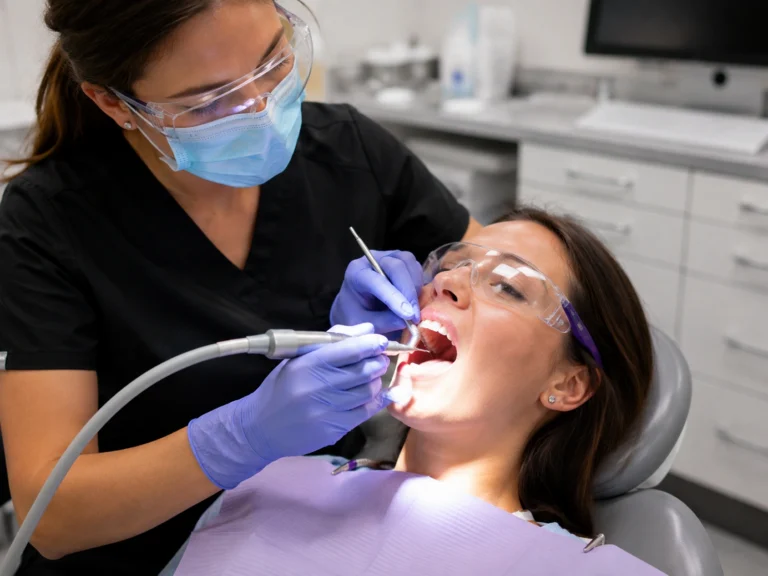
Not all periodontal disease looks the same – beyond gingivitis, periodontitis is split into four diagnostic stages that measure how far the disease has progressed. It’s a progressive disease that worsens over time without treatment and can’t be “cured,” only controlled. With frequent dental care, though, it’s manageable and doesn’t have to end in tooth loss.
At a Glance: The Key Differences
The only reliable way to diagnose gum disease is through dental X-rays and periodontal measurements between the teeth and gums.| Feature | Gingivitis | Periodontal Disease |
|---|---|---|
| Bleeding | Yes, during brushing/flossing | Yes, frequently and spontaneously |
| Bone loss | No bone loss | Yes, permanent bone loss |
| Reversible? | Yes, completely | No - manageable but permanent |
| Treatment | Routine cleaning & better flossing | Deep scaling, frequent periodontal maintenance, consistent home care |
The Full-Body Connection
Gum disease doesn’t just stay in your mouth. When gums are infected and bleeding, they act as an open door – harmful oral bacteria escape into the bloodstream and travel throughout the body. Medical research has directly linked the chronic inflammation of periodontal disease to serious full-body conditions, including:

Heart Disease

Diabetes

Alzheimer's
- Heart disease: Bacteria can attach to blood vessels, increasing the risk of clogged arteries and heart attacks.
- Diabetes: Severe gum disease spikes body-wide inflammation, making it incredibly difficult to control blood sugar.
- Alzheimer’s: Studies show oral bacteria can reach the brain, contributing to memory decline.
How to Protect Your Smile
The shift from gingivitis to periodontal disease doesn’t happen overnight. Protect your health by brushing for two minutes twice a day, flossing daily to remove hidden plaque, and seeing your dentist every six months. Catching gum disease while it’s still just gingivitis is the easiest way to protect both your smile and your body.

Don’t Let Tartar Build Up — Book Your Cleaning
At Southwest Family Dentistry in Littleton, CO, every routine cleaning comes with our No-Judgment Guarantee — no lectures, just honest, supportive care. No insurance? Our In-Office Dental Plan gives uninsured patients affordable, membership-based access to preventive care like cleanings and exams. Schedule your visit online or call our Littleton office today.
KEY TAKEAWAYS
Oral health is about more than a beautiful smile — it’s the gateway to the entire body. Routine checkups and cleanings can help prevent or control many systemic conditions, including heart and brain disease, while reducing whole-body inflammation.Sources – American Dental Association. (2021, July 14). Gum disease (periodontitis). ADA MouthHealthy. Mayo Clinic. (2024, February 24). Gingivitis. Mayo Clinic Patient Health Information. National Institute of Dental and Craniofacial Research. (2023, July). Periodontal (gum) disease. U.S. Department of Health and Human Services. Kapila, Y. L. (2021). Oral health’s inextricable connection to systemic health. Periodontology 2000, 87(1), 11-16. Sanz, M., et al. (2020). Periodontitis and cardiovascular diseases: Consensus report. Journal of Clinical Periodontology, 47(3), 268–288